


733 items
Sort Featured
-
Vaude CityGo 18 Backpack black  -23%
-23%Vaude
CityGo 18 Backpack black
Regular price Sale price 68,55 €Vaude
CityGo 18 Backpack recycled polyamide black
Sale price 68,55 € Regular priceRegular price 90,00 € -
Klättermusen Tjalve 2.0 10 Backpack cloud berry 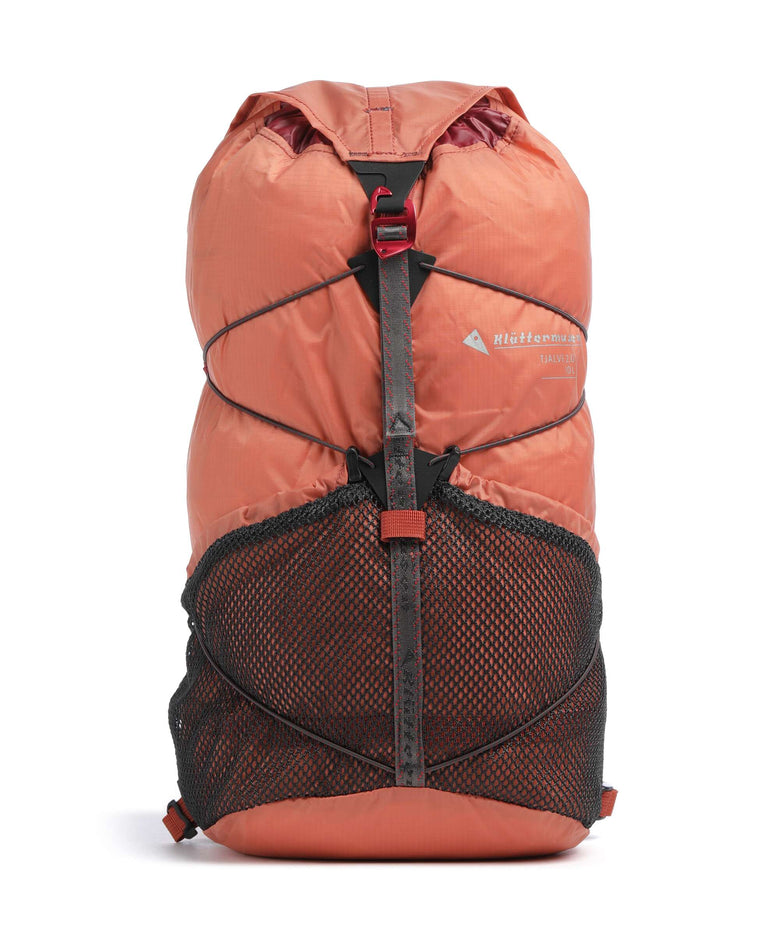 New
NewKlättermusen
Tjalve 2.0 10 Backpack cloud berry
140,00 €Klättermusen
Tjalve 2.0 10 Backpack polyamide cloud berry
140,00 € -
Samsonite Mysight Laptop backpack black  -29%
-29%Samsonite
Mysight Laptop backpack black
Regular price Sale price 70,20 €Samsonite
Mysight Laptop backpack 14″ recycled polyester black
Sale price 70,20 € Regular priceRegular price 99,00 € -
Vaude Clubride Urban 17 Backpack linen  -32%
-32%Vaude
Clubride Urban 17 Backpack linen
Regular price Sale price 67,95 €Vaude
Clubride Urban 17 Backpack 13″ recycled polyamide, recycled polyester linen
Sale price 67,95 € Regular priceRegular price 100,00 € -
Samsonite Guardit Classy 2.0 Laptop backpack dry sage  -25%
-25%Samsonite
Guardit Classy 2.0 Laptop backpack dry sage
Regular price Sale price 63,65 €Samsonite
Guardit Classy 2.0 Laptop backpack 14″ recycled polyester dry sage
Sale price 63,65 € Regular priceRegular price 85,00 € -
Vaude Clubride Urban 17 Backpack black  -23%
-23%Vaude
Clubride Urban 17 Backpack black
Regular price Sale price 76,95 €Vaude
Clubride Urban 17 Backpack 13″ recycled polyamide, recycled polyester black
Sale price 76,95 € Regular priceRegular price 100,00 € -
Samsonite Wander Last Backpack black  -29%
-29%Samsonite
Wander Last Backpack black
Regular price Sale price 112,75 €Samsonite
Wander Last Backpack 14″ recycled polyester black
Sale price 112,75 € Regular priceRegular price 159,00 € -
Mandarina Duck MD20 Lux 2.0 Backpack bag astro  New
NewMandarina Duck
MD20 Lux 2.0 Backpack bag astro
140,00 €Mandarina Duck
MD20 Lux 2.0 Backpack bag polyester astro
140,00 € -
Fjällräven Kånken Koncept Backpack khaki dust/kantarell  -20%
-20%Fjällräven
Kånken Koncept Backpack khaki dust/kantarell
Regular price Sale price 79,95 €Fjällräven
Kånken Koncept Backpack vinylon khaki dust/kantarell
Sale price 79,95 € Regular priceRegular price 99,95 € -
Mandarina Duck Revival 2.0 Backpack duck yellow  New
NewMandarina Duck
Revival 2.0 Backpack duck yellow
95,00 €Mandarina Duck
Revival 2.0 Backpack polyester duck yellow
95,00 € -
Fjällräven Kånken Koncept Backpack graphite/blackberry  -20%
-20%Fjällräven
Kånken Koncept Backpack graphite/blackberry
Regular price Sale price 79,95 €Fjällräven
Kånken Koncept Backpack vinylon graphite/blackberry
Sale price 79,95 € Regular priceRegular price 99,95 € -
Mandarina Duck MD20 Backpack bag mango  New
NewMandarina Duck
MD20 Backpack bag mango
130,00 €Mandarina Duck
MD20 Backpack bag polyester mango
130,00 € -
Mandarina Duck MD20 Backpack scarab 
Mandarina Duck
MD20 Backpack scarab
145,00 €Mandarina Duck
MD20 Backpack polyester scarab
145,00 € -
Sprayground 1 Off Bags Greens Backpack multicolour 
Sprayground
1 Off Bags Greens Backpack multicolour
119,00 €Sprayground
1 Off Bags Greens Backpack 13″ polyester multicolour
119,00 € -
Deuter Race 16 Backpack black  -20%
-20%Deuter
Race 16 Backpack black
Regular price Sale price 75,45 €Deuter
Race 16 Backpack recycled polyamide black
Sale price 75,45 € Regular priceRegular price 95,00 € -
Deuter AC Lite 16 Hiking backpack alu greystone  -20%
-20%Deuter
AC Lite 16 Hiking backpack alu greystone
Regular price Sale price 79,45 €Deuter
AC Lite 16 Hiking backpack recycled polyester alu greystone
Sale price 79,45 € Regular priceRegular price 100,00 € -
Piquadro FX Laptop backpack nero  -45%-10% extra
Piquadro
FX Laptop backpack nero
Regular price Sale price 176,00 €Piquadro
FX Laptop backpack 14″ polyester nero
Sale price 176,00 € Regular priceRegular price 320,00 € -
Mandarina Duck MD20 Backpack steel 
Mandarina Duck
MD20 Backpack steel
148,50 €Mandarina Duck
MD20 Backpack 17″ polyester steel
148,50 € -
Samsonite Guardit Classy Laptop backpack stone grey  -35%-10% extra
Samsonite
Guardit Classy Laptop backpack stone grey
Regular price Sale price 51,35 €Samsonite
Guardit Classy Laptop backpack 14″ recycled polyester stone grey
Sale price 51,35 € Regular priceRegular price 79,00 € -
Mammut Lithium 15 W Hiking backpack dark marsh/black  -25%
-25%Mammut
Lithium 15 W Hiking backpack dark marsh/black
Regular price Sale price 86,20 €Mammut
Lithium 15 W Hiking backpack polyamide dark marsh/black
Sale price 86,20 € Regular priceRegular price 115,00 € -
Deuter AC Lite 15 SL Hiking backpack lagoon atlantic  -18%
-18%Deuter
AC Lite 15 SL Hiking backpack lagoon atlantic
Regular price Sale price 81,35 €Deuter
AC Lite 15 SL Hiking backpack recycled polyester lagoon atlantic
Sale price 81,35 € Regular priceRegular price 100,00 € -
Pacsafe Go Backpack jet black  -19%
-19%Pacsafe
Go Backpack jet black
Regular price Sale price 104,40 €Pacsafe
Go Backpack 16″ recycled polyester jet black
Sale price 104,40 € Regular priceRegular price 129,90 € -
Mandarina Duck MD20 Lux 2.0 Backpack astro  New
NewMandarina Duck
MD20 Lux 2.0 Backpack astro
145,00 €Mandarina Duck
MD20 Lux 2.0 Backpack polyester astro
145,00 € -
BOSS Ray Backpack black  New
NewBOSS
Ray Backpack black
249,00 €BOSS
Ray Backpack 13″ polyamide black
249,00 € -
Mandarina Duck MD20 Backpack mango  New
NewMandarina Duck
MD20 Backpack mango
135,00 €Mandarina Duck
MD20 Backpack polyester mango
135,00 € -
Mandarina Duck MD20 Backpack taupe 
Mandarina Duck
MD20 Backpack taupe
145,00 €Mandarina Duck
MD20 Backpack polyester taupe
145,00 € -
Klättermusen Fjörm 18 Trekking backpack silver creme  New
NewKlättermusen
Fjörm 18 Trekking backpack silver creme
170,00 €Klättermusen
Fjörm 18 Trekking backpack polyamide silver creme
170,00 € -
Klättermusen Fjörm 18 Trekking backpack dark hights  New
NewKlättermusen
Fjörm 18 Trekking backpack dark hights
169,95 €Klättermusen
Fjörm 18 Trekking backpack polyamide dark hights
169,95 € -
XD Design Bobby Bizz 2.0 Backpack navy 
XD Design
Bobby Bizz 2.0 Backpack navy
149,95 €XD Design
Bobby Bizz 2.0 Backpack 16″ recycled polyester navy
149,95 € -
Bugatti Blanc Delight Rolltop backpack schwarz  -24%
-24%Bugatti
Blanc Delight Rolltop backpack schwarz
Regular price Sale price 63,95 €Bugatti
Blanc Delight Rolltop backpack 14″ polyester schwarz
Sale price 63,95 € Regular priceRegular price 84,95 € -
Deuter AC Lite 17 Hiking backpack atlantic ink  -17%
-17%Deuter
AC Lite 17 Hiking backpack atlantic ink
Regular price Sale price 83,00 €Deuter
AC Lite 17 Hiking backpack recycled polyester atlantic ink
Sale price 83,00 € Regular priceRegular price 100,00 € -
Brics X-Collection Travel backpack papavero/poppy  New
NewBrics
X-Collection Travel backpack papavero/poppy
159,00 €Brics
X-Collection Travel backpack 16″ recycled polyester papavero/poppy
159,00 € -
Brics X-Collection Travel backpack macramè  New
NewBrics
X-Collection Travel backpack macramè
159,00 €Brics
X-Collection Travel backpack 16″ recycled polyester macramè
159,00 € -
Brics X-Collection Travel backpack miele/honey  New
NewBrics
X-Collection Travel backpack miele/honey
159,00 €Brics
X-Collection Travel backpack 16″ recycled polyester miele/honey
159,00 € -
Pacsafe Go 15 Backpack lavender  New
NewPacsafe
Go 15 Backpack lavender
109,90 €Pacsafe
Go 15 Backpack recycled polyester lavender
109,90 € -
Thule AllTrail 18 Backpack black  -25%-10% extra
Thule
AllTrail 18 Backpack black
Regular price Sale price 59,90 €Thule
AllTrail 18 Backpack polyester black
Sale price 59,90 € Regular priceRegular price 79,95 €


Typical features
Most sports backpacks are equipped with a chest strap and a (removable) hip belt. To relieve pressure on the shoulders, as much weight as possible should be transferred to the hips. This happens when the backpack straps are not set too tightly: if the sports backpack sits close to the body, most of the weight is carried by the shoulders. In addition to balanced weight distribution, extra straps help absorb movement. The chest strap also stabilises the backpack’s position and prevents it from slipping sideways. To ensure the carrying system works effectively, it should be adjustable—after all, the better the fit, the greater the comfort. For a comfortable carrying experience, padded and ventilated shoulder straps are essential. Some models come with straps that are adjustable not only in length but also in width, thanks to built-in rails. Certain sports backpacks also include load adjustment straps: when tightened, the backpack (and thus the weight) sits close to the body; when loosened, it allows more airflow. Tip: in challenging terrain or at a fast walking pace, your sports backpack should sit close to your body for better control and to minimise swaying.
Backpacks for indoor training
The gym around the corner is your second home? Then a comfortable backpack is a must! A reliable training companion typically offers 15 to 30 litres of space, providing room for your workout clothes, toiletries, towel and shower shoes. Useful features of these backpacks include a headphone port, back-supporting internal reinforcement and an RFID pocket. Depending on the model, wet compartments or dedicated shoe and laundry sections may also be included (these come as standard with football backpacks). Most backpacks for the gym have a contact back panel with ventilation channels.
Models for outdoor workouts
Due to the specific demands of each sport, outdoor backpacks come with a wide range of features. Ergonomic carrying systems, well-designed interior layouts and compression straps are among the most common. Reflective elements and numerous attachment loops or holders (for skateboards, helmets, poles, etc.) are also frequently included. A breathable mesh back is a typical feature of outdoor backpacks. Some outdoor models are specifically designed to suit the female anatomy—women generally have shorter backs and narrower shoulders. These sports backpacks are also suitable for men with shorter torsos.